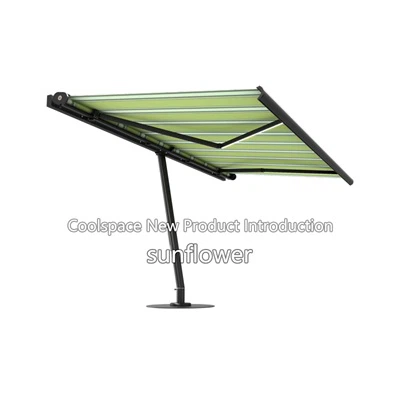

Outdoor pavilions, as structures that integrate landscape function and cultural value, rely on systematic and continuous maintenance and management to maintain their safety, stability, and aesthetic appeal over the long term. Because pavilions are constantly exposed to the natural environment, they are affected by multiple factors such as wind and rain erosion, temperature changes, ultraviolet radiation, and biological damage. Without effective maintenance, problems such as structural loosening, material aging, and waterproofing failure can easily occur, affecting their functionality and landscape effect. Establishing a scientific maintenance system should be comprehensively implemented from three levels: daily inspection, periodic maintenance, and targeted repair.
Daily inspection is the foundation of maintenance work. The main structure of the pavilion should be regularly inspected, including the connection points and support systems of columns, beams, and roof trusses. Attention should be paid to any cracks, corrosion, deformation, or loosening, especially for signs of insect infestation and decay in wooden components. The roof should be checked for the integrity of the covering materials; problems such as tile detachment, membrane damage, or sealant failure can lead to rainwater penetration and accelerate the deterioration of internal components. The area around the foundation should be checked for settlement, water accumulation, or plant root intrusion to prevent a decrease in stability. Inspections should be documented, and minor abnormalities should be addressed promptly to prevent small problems from developing into structural hazards.
Periodic maintenance requires a plan based on material characteristics and environmental factors. Wooden pavilions should undergo surface cleaning and anti-corrosion treatment at regular intervals. Dust and dirt should be removed first, then the integrity of the coating should be checked. If necessary, the surface should be sanded and repainted with environmentally friendly preservatives and insecticides to maintain the weather resistance and aesthetics of the wood. Metal components require special attention to prevent corrosion. Surface rust and contaminants should be removed, and the coating should be checked for peeling or flaking. Anti-corrosion paint should be applied according to the original process, and lubricant should be applied to bolt connections to ensure smooth rotation and force transmission. Membrane or composite panel roofs can be cleaned with a neutral detergent and soft tools to avoid scratching the self-cleaning layer or damaging the UV resistance. For stone bases and tile paving, moss and accumulated dirt should be removed, gaps filled, and waterproofing treatment applied to maintain cleanliness and anti-slip properties.
Targeted repairs are essential for addressing sudden or cumulative damage. If loose structural joints are found, they should be immediately tightened or damaged components replaced according to the original connection method to ensure the integrity of the load-bearing path; severely decayed wooden components or corroded metal parts should be decisively replaced with materials of the same or superior performance to prevent chain reactions of damage caused by local weaknesses. Roof leaks require identifying the water source path, redoing the waterproof layer, or replacing damaged coverings to ensure tight joints and seals. If drainage around the pavilion is poor, drainage ditches and sumps should be cleared or modified to prevent prolonged waterlogging of the foundation or erosion of the column bases.
Furthermore, seasonal protection and environmental protection measures should not be overlooked. Before winter, snow and ice should be cleared from the roof and eaves to prevent overloading or falling ice causing injury; in areas prone to typhoons or strong winds, components that are easily dislodged should be inspected and reinforced, and lightweight components temporarily removed if necessary. Surrounding greenery should be reasonably pruned to prevent excessive contact with the pavilion structure, which can cause wear or create damp environments that promote mold growth.
Overall, the maintenance of outdoor pavilions is a systematic project that integrates prevention, maintenance, and repair. Regular inspections should serve as the first line of defense, periodic maintenance as the foundation, and targeted repairs as the backup, with strategies flexibly adjusted based on environmental and seasonal changes. Only through scientific management and continuous investment can pavilions remain stable and beautiful over time, continuing to provide safe and comfortable resting places and scenic highlights for the public.