
Pergolas are a popular addition to modern outdoor living spaces, providing shade, comfort, and aesthetic appeal. When choosing a pergola for a patio, garden, or backyard, aluminum and wood are two common materials to consider. Both have unique advantages, but which one is the better choice?
1. Durability and Weather Resistance
Aluminum pergolas are known for their excellent durability and weather resistance. Unlike wood, aluminum does not rot, warp, crack, or attract termites. With a high-quality powder-coated finish, aluminum structures can resist corrosion, moisture, and UV exposure, making them suitable for various outdoor environments. Wooden pergolas offer a natural and traditional appearance, but they are more vulnerable to changing weather conditions. Prolonged exposure to rain, sunlight, and humidity may cause cracking, fading, or decay. Regular sealing, painting, and maintenance are necessary to keep wooden structures in good condition.
2. Maintenance and Long-Term Costs
One of the biggest advantages of aluminum pergolas is their low maintenance requirements. Occasional cleaning is usually enough to keep them looking attractive. They also have a long service life, helping reduce ongoing maintenance expenses. Wooden pergolas require more attention. They need periodic staining, sealing, or repainting to protect the material from moisture, insects, and environmental damage. Although the initial purchase price may be lower in some cases, long-term maintenance costs can add up.
3. Design and Functionality
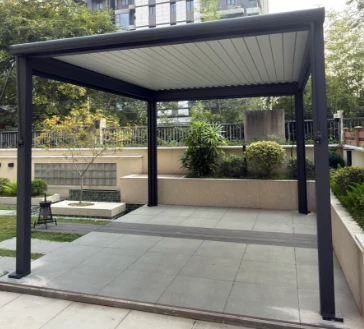
Wooden pergolas create a warm, natural atmosphere and are ideal for traditional gardens and rustic outdoor spaces. However, aluminum pergolas offer greater flexibility for modern designs. They can be customized in different colors, sizes, and configurations. Modern aluminum pergolas can also feature adjustable louvers, retractable roofs, integrated LED lighting, and motorized control systems. These options provide better control over sunlight, ventilation, and rain protection.